
Trapped in a Jar
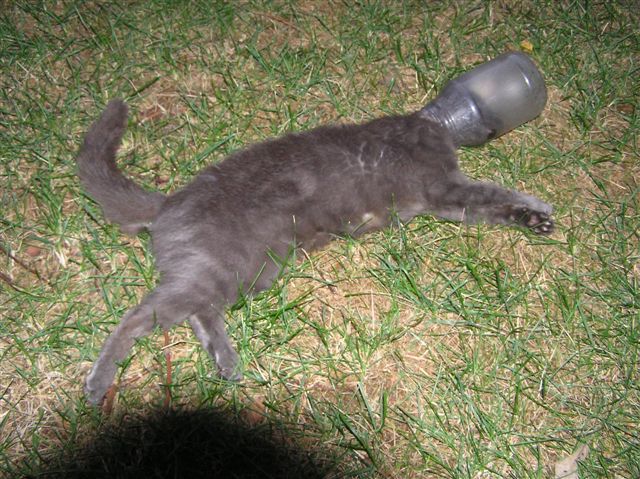
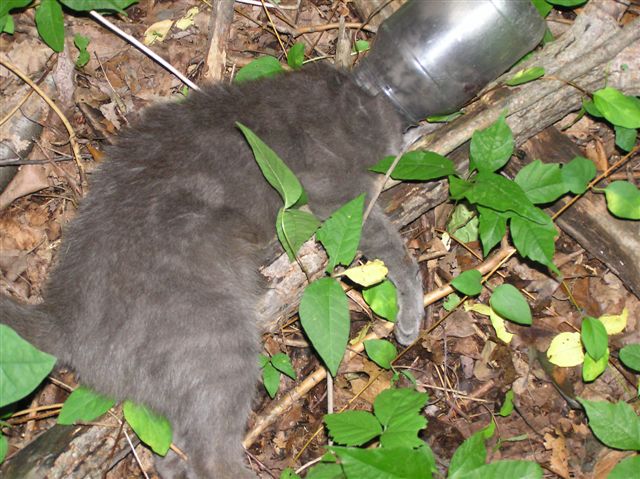
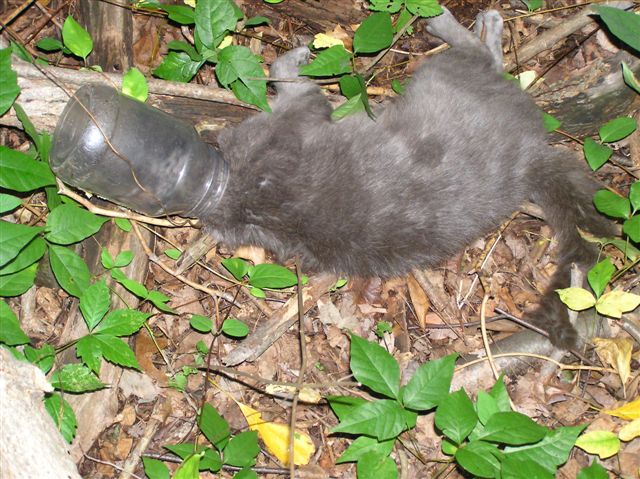
Below are photos sent to us from an Animal Control Officer in NJ. We do not know if these two poor animals were owned pets permitted to roam freely or pets that accidentally escaped or if these animals were strays or feral cats. This clearly and sadly illustrates what death is often like for animals that live and die outside. We include these photos here so you consider whether the actions of individuals and organizations that endorse TNR are performing acts of compassion or condemning animals to an inhumane and tragic death and needless suffering.
This first cat had this jar stuck on its head for at least 3 days. Finally someone found the cat dead in the woods behind his house. The cat had been in the neighborhood for approximately 6 months before getting the jar stuck on its head and dying.
This next cat had what appears to be a soup can stuck on its head. This animal survived and was taken to a shelter.
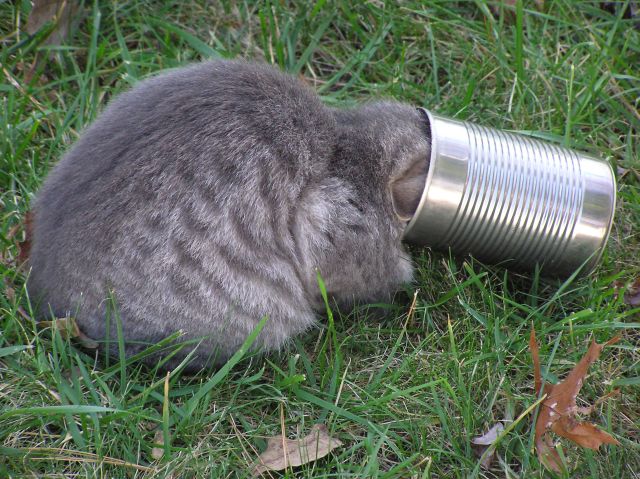
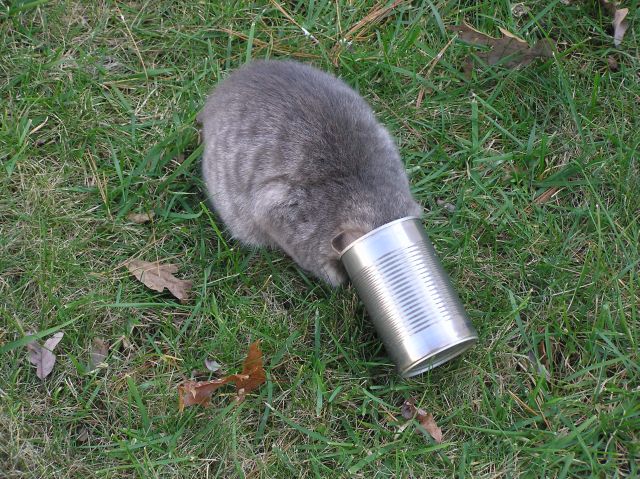
Please remember to dispose of trash properly. Cats, as well as wild animals, can be killed by improperly discarded items through ingestion or entanglement. This especially affects land mammals, pelagic birds and marine life.
You can help by doing the following:
- Reduce the use of plastic bags and recycle them when finished. Many supermarkets have collection receptacles.
- Do not release balloons into the air. Dispose of them properly.
- Cut six-ring packs before disposing.
- Cut triangular shaped yogurt containers before disposing.
- Rinse well any food containers before recycling and replace lids. This includes metal cans, glass jars and plastic containers.
- Properly dispose of fishing line.
- Properly dispose of chemicals, oil, pesticides and other toxins that may be ingested by animals. Call your municipality for information about when and where to recycle batteries, paint and other atypical items.